OPINION: The Paradox of Loyalty in Politics -A Youth Perspective
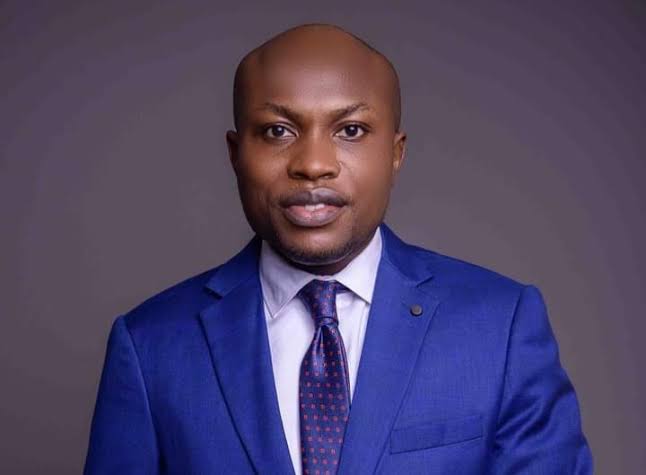
By Michael Tidi
In recent times, my phone has been inundated with text messages and calls from party faithfuls, particularly the youth community, which I consider my primary constituency. Their complaints follow a recurring theme: after toiling rigorously for the party, they have been sidelined by entrenched political forces. The disappointment in their voices is unmistakable.
As a lawyer, my initial response was straightforward. I advised them not to feel entitled. After all, no contractual agreement binds those at the helm of affairs to reward their efforts. Politics, unlike employment, rarely comes with guarantees. Yet, on deeper reflection, I see that their grievances extend beyond entitlement. The real issue is systemic. Young people are not being mentored to take up leadership roles unless they have a powerful political benefactor, an influential uncle or father in the system.
This, in many ways, exposes the paradox of loyalty in politics. The unwritten rule suggests that hard work, commitment, and sacrifice will eventually lead to opportunity. Yet, in practice, many dedicated youths find themselves left behind while the same cycle of political godfatherism and selective empowerment continues. There is an irony here. Many of the entrenched political leaders who now resist youth inclusion actually took leadership positions at a much younger age than most of us today. They were councilors, commissioners, and even governors in their twenties and early thirties, yet they now claim young people are not ready for leadership.
I consider myself an exception to this trend, having been ferried into leadership at the council level by sheer providence and the push of my benefactors, notably Senator Dr. Ifeanyi Okowa and Hon. Michael Diden. However, even with this advantage, I have had and continue to have my fair share of brinkmanship, backbiting, and mudslinging. But as John Lyly famously put it in Euphues The Anatomy of Wit (1578), “All is fair in love and war.” To some schools of thought, politics is nothing short of war, where conventional rules are often disregarded in pursuit of power and survival.
ALSO READ: OPINION: In Defence of Warri’s Soul
That said, power isn’t served a la carte. The youth community must organize themselves and question the status quo. They must not always play second fiddle. After all, they weren’t necessarily born to be hewers of wood and fetchers of water. They too can sit comfortably at the table where decisions affecting the wellbeing of society are made. Enough of collecting handouts to work against one of their own. Rather than being political foot soldiers at the mercy of entrenched leaders, young people must pull resources together and present a winning candidate for elective positions. They must also posture for substantive appointive positions, ensuring they are not just seen but heard where it matters most.
It beats my imagination when I find youths in my area planning and waiting to serve as party delegates, eager to collect a few dollars or naira (depending on the currency preference of the aspirants in that election) from older persons, whom some scholars would rather regard as spent forces. This is not only disheartening but also a self-inflicted injury. By selling their votes and mortgaging their future for temporary financial gratification, they reinforce the very system that sidelines them. How can they expect to be taken seriously when they reduce themselves to mere tools for political transactions?
This call has become necessary because, at present, I see no meaningful or conscious plan by the youth in my immediate council area to take the plunge. Or are they waiting for yours truly to throw my hat in the ring before they rush out to compete against me? No. It ought not to be that way. The crab-like attitude, where we pull one another down rather than lift each other up, must end if we truly want to stop wailing and start getting results.
I speak from experience. I have contested for several elections, winning some and losing others. Yet, I remain undaunted because every election, whether a victory or a loss, has been a valuable lesson. The beauty of democracy is that it allows for repeated attempts. Every campaign refines strategy, builds networks, and strengthens one’s resolve. Winning is great, but losing is not failure. It is preparation. It is through these cycles of contest and re-contest that leadership is built. Those who have lost should not retreat into cynicism. They must rise and try again, learning from each experience. That is how true leaders emerge.
The issue at hand is not simply about political appointments or compensatory roles. It is about the sustainability of the political system itself. A party that continually ignores its most active and loyal foot soldiers risks alienating them. When young people become disillusioned with the process, voter apathy rises, and grassroots mobilization weakens.
Across Nigeria, we have seen young leaders rise to prominence, defying the odds and breaking the cycle of political marginalization. The Not Too Young to Run Act, passed in 2018, was a landmark victory for youth inclusion in governance. It significantly lowered the age limit for elective positions, allowing young people to contest and win elections at various levels.
Examples abound. In Oyo State, 32-year-old Seyi Bamidele was elected into the House of Assembly, proving that young people can win elections without being mere appendages to older politicians. In Kaduna State, Ex-Governor Nasir El-Rufai appointed Muhammad Sani Abdullahi, a young technocrat, as his Chief of Staff, a role previously reserved for career politicians. More recently, Gbadebo Rhodes Vivour, though unsuccessful in his gubernatorial bid in Lagos, demonstrated that young people can mount formidable campaigns and challenge the old guard.
Beyond Nigeria, youth-led political movements have reshaped governance. In France, Emmanuel Macron became president at 39, defying conventional expectations. In Finland, Sanna Marin became prime minister at 34, leading a government where the majority of ministers were under 40. These examples prove that young people can and must take charge.
The youth of my constituency must wake up to this reality. We cannot remain spectators in a game where we are the majority. It is time to stop accepting token positions and start demanding real representation. We must move from being mere political delegates collecting stipends to becoming lawmakers, governors, and even the president.
Rather than waiting for crumbs, young people must mobilize, strategize, and contest for positions in the local councils, state houses of assembly, National Assembly, governorship, and even the presidency. The road to power is never easy, but it is attainable. It begins with civic engagement, political education, and the courage to challenge entrenched systems.
Enough of the excuses. Enough of playing second fiddle. If the youth in my area do not take this challenge seriously, they should not complain when they continue to be sidelined. It is time to build a coalition of young, competent, and visionary leaders who will take the plunge and claim their rightful place in governance.
The paradox of loyalty in politics must be addressed, not just for the sake of the youth, but for the future of the party and governance itself. A system that fails to reward commitment and hard work will eventually collapse under the weight of its own exclusivity. It is time for leaders to rethink their approach and invest in the next generation, not just as foot soldiers, but as future leaders in their own right.
The baton will not be handed over voluntarily. It must be taken.
Tidi, Public Affairs Analyst, writes from Warri.







Post Comment