Oil Marketers Push for Local Refining, Investment in Downstream Sector
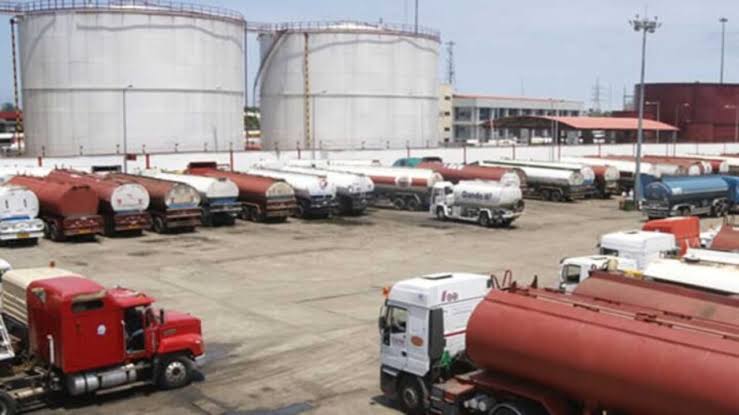
Oil marketers, under the umbrella of the Petroleum Products Retail Outlets Owners Association of Nigeria (PETROAN), have called on the federal government to take bold steps toward privatizing state-owned refineries and enhancing competition within the petroleum sector. The group’s recommendations come as part of its 2024 retrospective and 2025 outlook, aimed at improving Nigeria’s downstream industry and addressing challenges exacerbated by subsidy removal.
In a statement signed by the association’s National President, Dr. Billy Gillis-Harry, National Secretary Barr. Adedibu Aderibigbe, and National Public Relations Officer Dr. Joseph Obele, PETROAN urged the federal government to privatize major government-owned refineries, including the Warri and Kaduna refineries, by transferring them to reputable private companies. The marketers believe this move would improve operational efficiency, reduce government spending, and boost the nation’s refining capacity, which remains dependent on imports.
PETROAN also advocated for a more competitive petroleum market, recommending policies that would encourage new market entrants, promote fair pricing, and prevent monopolistic practices. The association emphasized the need for a comprehensive monitoring and evaluation framework to track the performance of downstream operators and ensure compliance with regulatory standards.
Additionally, the marketers called for continued investment in critical infrastructure such as refineries, pipelines, and storage facilities to reduce reliance on imported products and promote local refining. They also stressed the importance of supporting indigenous companies and incentivizing research and development in the downstream sector.
Another key aspect of the association’s recommendations was the expansion of Compressed Natural Gas (CNG) use in Nigeria. PETROAN suggested that the government should focus on increasing the number of CNG stations and distribution networks, while addressing high operational costs, including the expenses related to compressing and transporting natural gas.
In an effort to combat the growing menace of petroleum products smuggling, PETROAN urged the government to collaborate with neighboring countries to strengthen border security and employ digital tracking systems for better monitoring of petroleum products from refineries to retail outlets.
One of the central proposals from PETROAN was a request for a ₦100 billion grant to support over 10,000 businesses at risk of closure due to the fuel subsidy removal. The marketers warned that without such a financial lifeline, many of their businesses could collapse, leading to significant job losses and economic setbacks in the retail sector.
Reflecting on the progress made in 2024, PETROAN acknowledged the deregulation of the sector and the construction of new infrastructure as positive developments. They also highlighted the rehabilitation of the Port Harcourt refinery and the commencement of operations at the Dangote Refinery, which they said had contributed to competitive pricing in the market. The association noted that Dangote’s entry into the market initially pressured NNPC Limited to adjust its pricing strategy, benefiting consumers with more stable and lower prices.
However, PETROAN reiterated the need for government intervention in addressing infrastructure challenges, such as pipeline vandalism, limited CNG infrastructure, and high operating costs in the sector.









Post Comment