Delta Govt Cracks Down on Scavengers in Zero-Waste Push
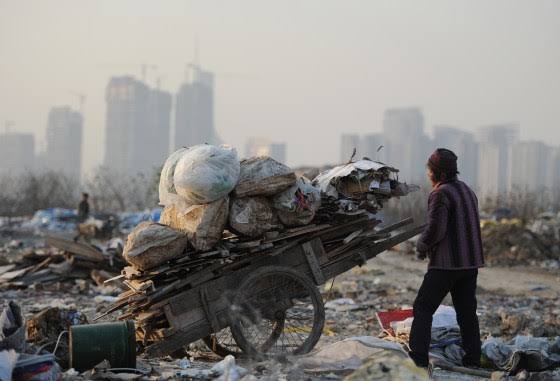
The Delta State government has announced a tough new approach on scavenging at household and dump sites, pledging to take action against individuals flouting its ban. The move was revealed by the state’s Commissioner for Environment, Mr. Ejiro Jamani, during a workshop on waste management in the state capital, Asaba.
Organized by the Ministry of Environment in partnership with the Green Knowledge Foundation (GKF), the event was centred on the theme “Zero Waste.” It aimed to address the growing challenges of waste management and its impact on public health and the environment.
Jamani, represented by the Permanent Secretary, Dr. Minnie Oseji, emphasized the health risks posed by scavenging, which he warned could lead to outbreaks of infectious diseases. “We have at various times and forums highlighted the health risks faced by scavengers, this is a development that could lead to outbreaks of diseases, which could further harm families and communities.” Jamani said.
Despite efforts to increase recycling, Jamani expressed concern over the ongoing presence of scavengers at waste disposal sites, stating that officials have been actively monitoring these locations to ensure compliance with government directives. In 2022, Solid Chemicals Ltd and the Food and Beverage Recycling Alliance processed over 400,000 metric tonnes of recyclables, and by 2023, that figure had jumped to nearly 3,000,000 metric tonnes.
The workshop also featured a presentation by Weyinmi Okotie, Executive Director of the Green Knowledge Foundation, who outlined strategies for waste management, including the use of waste-to-energy technologies. He highlighted the potential of converting waste into biogas, a renewable energy source that could reduce reliance on wood and charcoal, contributing to both environmental protection and climate change mitigation.
Okotie noted that Nigeria faces significant challenges in waste management, including pollution, wildlife harm, and economic losses due to inefficient disposal practices. “Effective waste management is not just about disposal, it’s about prevention, reuse, and repurposing,” he said. “By adopting a Zero-Waste strategy, we can reduce the environmental impact of waste and unlock economic opportunities.”
The workshop served as a platform for government officials, environmental experts, and stakeholders to discuss practical solutions for tackling the state’s waste management crisis.














Post Comment