INEC to Destroy 6 Million Uncollected PVCs
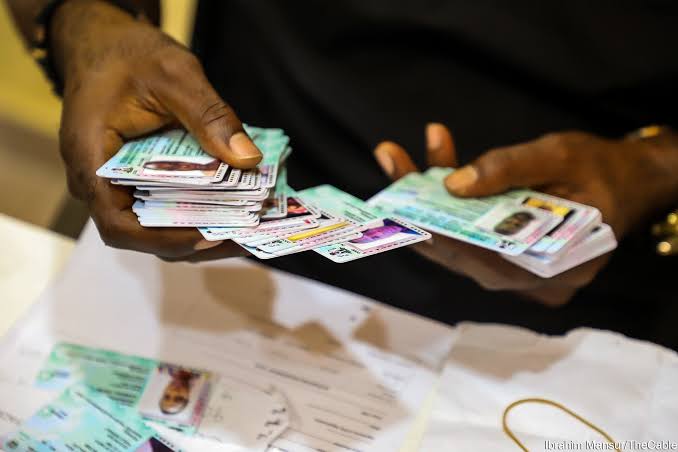
The Independent National Electoral Commission (INEC) is reportedly considering a policy to withdraw and destroy Permanent Voter Cards (PVCs) that remain uncollected for over a decade. This recommendation, which forms part of 208 proposals arising from a post-2023 election review, aims to address the persistent issue of millions of uncollected PVCs that have been clogging the voter management system.
As of the 2023 elections, more than six million PVCs remained uncollected, with many issued as far back as 2015. The review, conducted by INEC and its stakeholders, revealed that these unclaimed cards represent a significant challenge in the management of Nigeria’s voter registration system.
In response to the growing backlog, the commission is considering implementing a policy to withdraw and destroy PVCs that have not been collected within a decade of issuance. The focus would initially be on cards issued in 2015, as it is unclear whether the original cardholders will ever come to collect them.
“Following the publication of the Register of Voters, INEC began the distribution of PVCs for collection in December 2022, with an initial deadline of January 22, 2023. However, due to a low collection rate, the deadline was extended to February 5, 2023,” said INEC in a statement. Despite efforts, including the introduction of online tools for locating PVCs and decentralized collection points at the ward level, the number of uncollected cards remained alarmingly high.
Several civil society organizations (CSOs) worked alongside INEC to assist voters in collecting their cards, creating information centers in select states and the Federal Capital Territory (FCT), and helping to track uncollected PVCs. Despite these efforts, the commission reported that the backlog persists.
INEC’s post-election review also proposed a broader overhaul of Nigeria’s electoral process. A key proposal is the gradual phase-out of PVCs in favor of the Bimodal Voter Accreditation System (BVAS), which uses biometric identification for voter accreditation. According to the commission, the use of PVCs for voter accreditation is becoming increasingly redundant, as the BVAS system can now identify voters through biometric data, such as fingerprints or facial recognition.
“The utility of the PVC is now limited to voter identification,” INEC noted. “With the BVAS, voters can be identified using their Temporary Voter Cards (TVCs) and accredited biometrically without the need for a plastic PVC.”
However, this shift would require an amendment to Section 47(1) of the Electoral Act 2022, which currently mandates the presentation of PVCs for accreditation. If implemented, the change could streamline the electoral process, reduce costs, and minimize disenfranchisement caused by uncollected PVCs.
The proposed changes are part of INEC’s ongoing efforts to modernize Nigeria’s electoral system and improve voter participation in future elections. The commission is expected to further engage with stakeholders to refine these recommendations and determine the best course of action.














Post Comment