US Lawmakers Split Over Nigeria’s Religious Persecution Designation
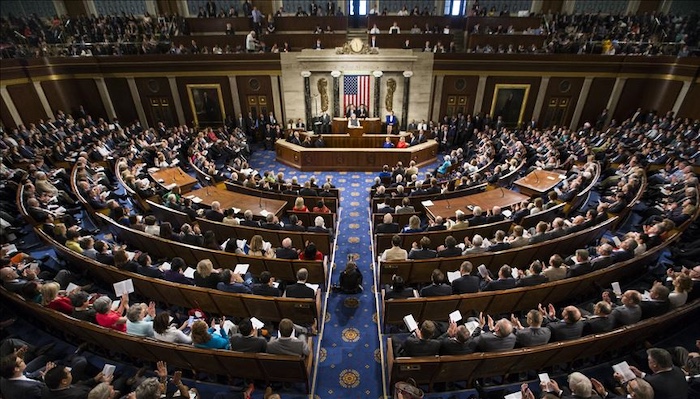
A heated divide emerged on Thursday as US lawmakers, religious leaders and State Department officials testified before the House Foreign Affairs Subcommittee on Africa on President Donald Trump’s redesignation of Nigeria as a “Country of Particular Concern” (CPC) over alleged Christian genocide. The hearing followed the President’s threat that the US military could enter Nigeria “guns-a-blazing” to eliminate extremist groups responsible for mass killings.
Committee Chairman Chris Smith opened the session by citing figures that place Nigeria at the centre of global Christian martyrdom, alleging that over 52,000 Christians have been killed since 2009. He accused militant Fulani herdsmen of widespread killings, rape and kidnapping carried out with total impunity, and criticised the previous US administration for removing Nigeria from the CPC list despite advisory recommendations.
Senior State Department officials Jonathan Pratt and Jacob McGee addressed lawmakers’ questions, warning that extremist violence once concentrated in Nigeria’s North-East was spreading into the Middle Belt. Pratt said Christian communities are being deliberately targeted and argued that Nigeria must prioritise protection of vulnerable groups, stressing that Washington expects “concrete actions” from Abuja in exchange for continued partnership. He confirmed that the Trump administration is preparing a plan involving multiple US agencies to pressure Nigeria into strengthening religious freedom protections.
Lawmakers held opposing views. Representative John James called Nigeria “the deadliest place on earth to be a Christian,” linking religious violence to broader governance failures, including the continued detention of separatist leader Nnamdi Kanu. Congressman Bill Huizenga accused both Nigerian authorities and US institutions of downplaying Islamist violence, while Representative Johnny Olszewski argued the crisis stems less from religious intent and more from Nigeria’s limited capacity to protect its citizens. Despite their differing stances, members agreed that millions of Nigerians Christians, Muslims and others remain vulnerable to attacks by extremist groups that operate with little restraint.


Post Comment