June 12: Reflecting on Nigeria’s Journey and the Niger Delta Reality

Today, June 12, Nigeria commemorates Democracy Day, marking 26 years since the country’s return to civilian rule in 1999. As a nation, we celebrate not just the endurance of democratic governance but also the spirit of a people who continue to push for equity, justice, and inclusive growth.
At Warri Sentinel Media, based in the heart of the Niger Delta, today’s reflections go beyond the symbolic. We ask: What has democracy truly meant for the people of the Niger Delta?
Forward, But Not Far Enough
Democracy brought with it the promise of representation, dialogue, and responsive governance. For the Niger Delta, a region that has long borne the environmental scars of Nigeria’s oil wealth there was hope that the ballot would eventually bring balance.
In many ways, we have seen glimpses of that promise.
Institutions like the Niger Delta Development Commission (NDDC) and the Ministry of Niger Delta Affairs, newly created South-South Development Commission, (SSDC) were birthed in the democratic era.
Youth empowerment schemes, amnesty reintegration programs, and marginal improvements in infrastructure are all outcomes of sustained democratic pressure.
Political participation from the region has deepened with Delta State playing some prominent role in national affairs, from producing ministers and lawmakers to shaping critical debates on resource control and federalism.
While these efforts symbolize recognition, the people’s silent struggles continue to grow louder.
Oil still flows, but many of our communities remain in darkness literally and figuratively. Environmental degradation continues to rob our people of their livelihoods, with little more than token clean-up efforts. Corruption and mismanagement in interventionist agencies like the Niger Delta Development Commission (NDDC) have made a mockery of the region’s development potential.
Even at the local level, democratic dividends have not trickled down effectively. Elections are often marred by violence and vote buying, and many local government councils function more like appendages of political godfathers than centers of grassroots governance.
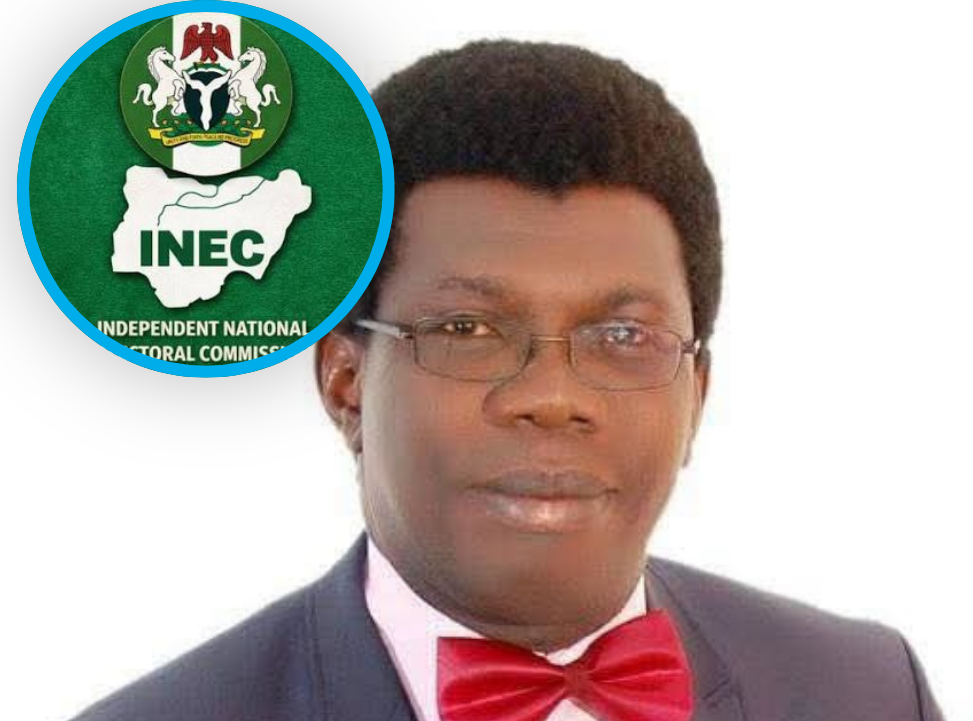
One local issue that continues to test the promise of democracy is the proposed INEC ward delineation exercise in Warri Federal constituency. Although INEC has completed a draft exercise to update electoral boundaries in line with current population changes, the implementation of the new ward delineation has been stalled due to objections from key stakeholders within the Itsekiri, Urhobo, and Ijaw communities.
The proposed ward boundaries have triggered accusations of marginalization and claims of unfair political advantage, with each group expressing concerns that the changes may weaken their representation. This disagreement has heightened political tensions in Warri, undermining the peace and trust necessary for a credible democratic process.
Critics point out that the last comprehensive ward delineation was conducted in 1996, before the return to democracy. While the new proposals aim to address outdated imbalances many say it falls short of genuinely reflecting the complex ethnic and demographic realities on the ground.
As we reflect this Democracy Day, we join civil society and community leaders in renewing the call for a transparent, data-driven re-delineation exercise that reflects Warri’s true demography and fosters inclusive participation.
Governance in Delta: Progress and Responsibility
The Delta State Government, under successive administrations, has had both opportunities and missed chances in advancing the region’s democratic dividends. While some projects like the Ogwashi-Uku Dam, road networks in Warri and Ughelli, Ode-itsekiri bridge, Ayakoromo bridge, revamped healthcare system and youth empowerment initiatives speak to progress, many communities across the creeks and uplands remain underserved.
Unlocking Delta’s Waterways
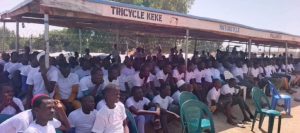
This Democracy Day, we must spotlight a critical but overlooked need in Delta State, reliable water transportation for our riverine and creek communities.
For thousands, waterways are not an option but a necessity. Yet, they remain poorly developed, leaving many cut off from essential services and opportunities. The Delta State government must prioritise investment in safe boats, jetties, and proper regulation.
Lagos offers a useful example. By expanding its ferry services, it is turning water into a viable alternative to road traffic. Delta, with its vast network of rivers and creeks, can do the same and better.
Democracy must work for every community. It’s time we opened up the creeks, not just the roads.
More critically, state-level democracy must evolve beyond infrastructure. Transparent budgeting, local government autonomy, and responsive governance must become non-negotiable pillars of governance. The state government must be more than a conduit for federal allocations; it must become a champion of grassroots democracy.
Democracy is not a destination; it is a process. The Niger Delta must continue to demand accountability, not only from federal actors but from our own leaders as well. As we mark Democracy Day 2025, we must re-energize civic engagement; democracy lives when the people lead.
Niger Deltans, especially the youth must stay politically engaged, not just every four years but every day. They must insist that governance works for them, not just in their name.
INEC must prioritize electoral justice by addressing the inequities in ward delineation in Warri.
The Delta State Government must deepen transparency, engage more directly with communities, and protect the autonomy of local governments.
At Warri Sentinel Media we are committed to truth, advocacy, and accountability, giving voice to the people of the Niger Delta in the spirit of true democracy. Happy Democracy Day, Nigeria.






Post Comment