House of Reps Sets 60-Year Age Limit for Presidential, Gubernatorial Candidates
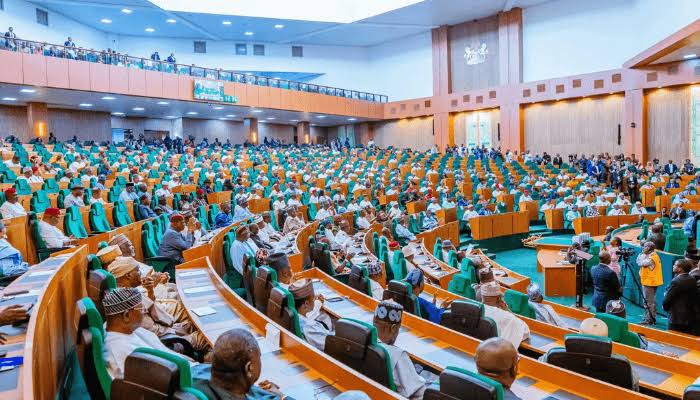
The House of Representatives has passed a series of bills aimed at reforming the country’s political, economic, and judicial systems. These bills focus on political eligibility, inclusivity, and the enhancement of governance structures, marking a crucial step towards modernizing the nation’s legal framework.
A major development from the session was the passage of a bill sponsored by Rep. Ikeagwuonu Ugochinyere, which proposes amendments to the 1999 Constitution to revise eligibility requirements for presidential and gubernatorial candidates. Under the proposed amendments, candidates for both offices would be required to be no older than 60 years at the time of contesting elections. Also, candidates would be required to hold at least a Bachelor’s degree in their chosen field of study. If passed, this bill would amend Section 131 of the Constitution to introduce an age limit for presidential candidates and Section 177 to apply the same requirement to gubernatorial candidates. The bill is expected to encourage younger leadership and raise the educational standards for individuals seeking high office.
Several significant bills were also passed for second reading in addition to the constitutional amendments. The Alvan Ikoku Federal University of Education Bill, sponsored by Speaker Tajudeen Abbas and Rep. Ikenga Imo Ugochinyere, seeks to elevate Alvan Ikoku College of Education in Imo State to the status of a federal university. The bill is intended to improve the educational infrastructure in the region and promote higher learning.
Another proposal, the Creation of Ideato West Local Government Area, aims to create a new local government area in Imo State, with the goal of improving administrative efficiency and supporting local development. The Mandatory Inclusion of Youths and Persons with Disabilities in Political Appointments bill, also sponsored by Rep. Ugochinyere, seeks to ensure that youth and persons with disabilities are given reserved positions in political appointments, fostering inclusivity in governance.
Read also: House of Reps Passes Bill to Remove Immunity for Vice President, Governors
A bill for the Trade and Commerce Bill proposes moving trade and commerce to the Concurrent Legislative List, which would give both federal and state governments the power to regulate trade, boosting economic activity across the country. The Reserved Seats for Women in National and State Assemblies Bill, sponsored by Rep. Kafilat Ogbara, aims to increase female representation in Nigeria’s legislative bodies by reserving seats for women in both the National and State Assemblies.
Several Judicial Reform Bills were also introduced, including the Timelines for Justice Administration Bill, sponsored by Rep. Benjamin Okezie Kalu, which aims to expedite judicial processes and reduce delays in the legal system. The Increase in Supreme Court & Court of Appeal Justices Bill, proposed by Rep. Bello Kaoje, seeks to expand the number of justices to improve judicial efficiency.
Finally, the House introduced bills for the Creation of New States, including Wan State in the North Central region and Gobir State in the Northwest, in response to regional demands for greater autonomy and more localized governance.











Post Comment