Delta State’s Debt Soars by N42.5 Billion in Three Months
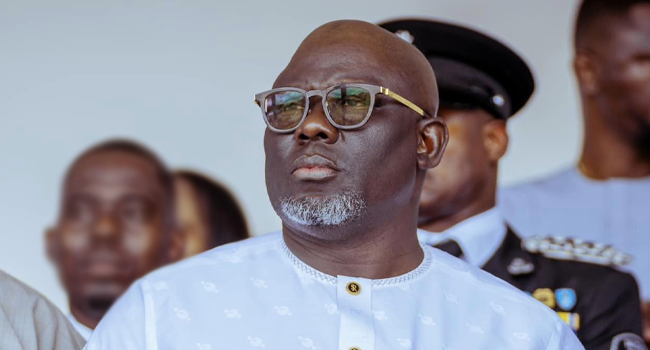
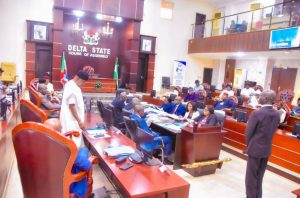
Delta State’s domestic debt has surged by N42.5 billion in just three months, according to new data from the Debt Management Office (DMO). As of September 2024, the state’s total domestic debt reached N342.5 billion, up from N304 billion in June 2024.
The increase in debt comes amid growing concerns about the rising fiscal pressures on state governments across Nigeria. A review of state debt profiles for the period July to September 2024 shows that four states, including Delta, collectively borrowed an additional N118.3 billion from domestic sources.
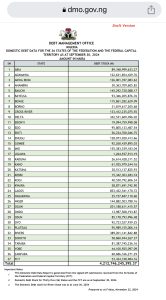
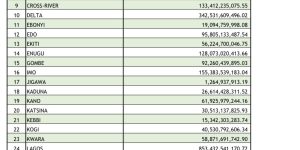
For Delta State, the N42.5 billion increase is part of a broader trend where several states have taken on additional debt to manage their finances. Edo State, for instance, saw its domestic debt rise by N25 billion, from N70 billion in June to N95 billion by September. Enugu State’s debt also grew by N31.1 billion, climbing from N96.9 billion to N128 billion, while Adamawa State’s debt increased by N19.7 billion, from N102.9 billion to N122.6 billion.
The total N118.3 billion borrowed by these four states reflects a sharp rise in borrowing, sparking concerns about the sustainability of their fiscal practices.
As of September 2024, Lagos State continues to hold the highest domestic debt in the country, with a staggering N853 billion in obligations. Following closely is Rivers State, which owes N389 billion, while Delta ranks third with N342.5 billion.
Other states in the top 10 for domestic debt include Ogun State (N201 billion), Imo State (N155.3 billion), Bauchi State (N145 billion), Niger State (N144 billion), Cross River State (N133.4 billion), Akwa Ibom State (N126 billion), and Adamawa State (N122.6 billion).
The rapid increase in state debt has raised alarms about the long-term fiscal health of these states. Experts warn that excessive reliance on domestic borrowing could lead to debt sustainability issues, especially if economic conditions worsen or revenue generation fails to meet expectations.
Governments are increasingly turning to loans to meet operational expenses, pay civil servants, and fund critical infrastructure projects. However, there are concerns that the high level of borrowing, coupled with Nigeria’s rising inflation and fluctuating oil revenues, could put pressure on state budgets in the coming years.










Post Comment