Celebrating A Transformative Era in Nigerian Football As Amaju Pinnick Clocks 55

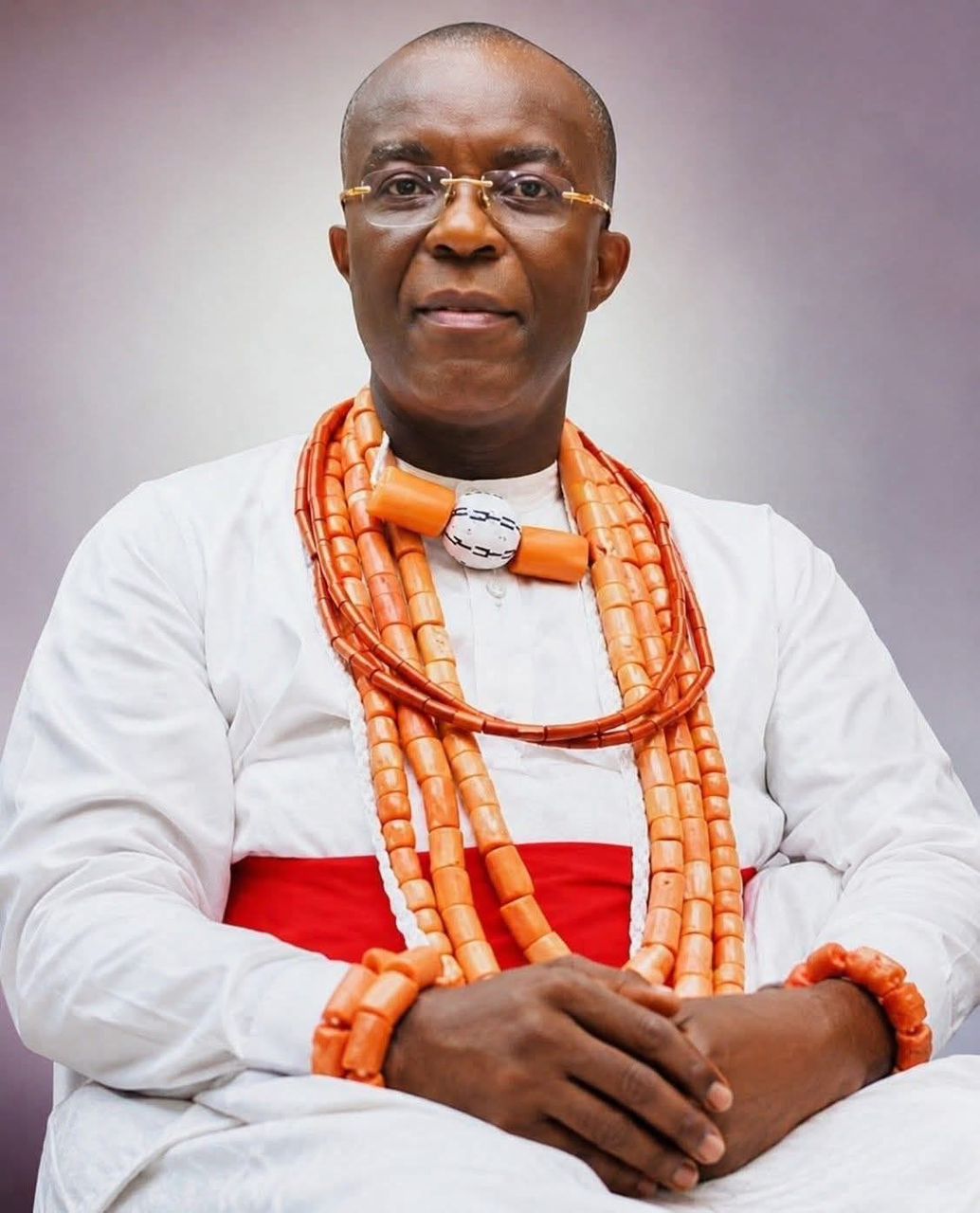
Former Nigeria Football Federation (NFF) President, Amaju Melvin Pinnick, marks his 55th birthday today, December 1, 2025. This moment naturally revives conversation around his influence on football administration in Nigeria and beyond.
Pinnick rose to national prominence after years of sports leadership in Delta State, where he headed both the State Football Association and the Sports Commission.
His election as NFF President in 2014, followed by a second victory in 2018, made him one of the longest-serving presidents in the body’s history.
One of the standout features of his tenure was his push to stabilise the NFF’s finances. By aggressively courting major corporate sponsors, including Nike, Zenith Bank, and Aiteo, Pinnick reduced the Federation’s dependence on government subventions. This improved the financial health of the NFF, ensured more reliable payment structures for coaches, and strengthened support systems for national teams.
Pinnick also widened Nigeria’s influence in international football. His appointments to key roles from the FIFA Organising Committee for major competitions to a seat on the CAF Executive Committee and later the prestigious FIFA Council, positioned Nigeria more visibly in global football governance.
Beyond administration, Pinnick has been active in philanthropy. Through the Brownhill Foundation, he has funded scholarships, assisted struggling former athletes, and supported the rebuilding of sports infrastructure, reflecting his long-standing commitment to community upliftment.
Some of his notable achievements include and not limited to;
Financial restructuring and self-sufficiency push: Under Pinnick’s tenure as President of Nigeria Football Federation (NFF), the federation significantly reduced its reliance on government funding.
Securing major corporate sponsorships: He attracted a range of strong private-sector partners for the NFF, including companies like Aiteo Energy Resources, Zenith Bank, Nike, and others. These deals helped stabilise funding for national teams and developmental programmes.
Improved welfare and stability for teams and staff: Thanks to the improved funding, NFF under Pinnick was reportedly able to pay coaches and support staff more reliably, ending previous delays in salaries and entitlements.
Elevating Nigeria’s presence in global football governance: Pinnick gained important international appointments: in 2017 he joined the organising committee for FIFA competitions; he was also elected to leadership roles in the Confederation of African Football (CAF) Executive Committee, and eventually became a member of the FIFA Council.
Infrastructure and grassroots investment through philanthropy: Through his personal initiative, Brownhill Foundation, Pinnick has funded the building and renovation of sports facilities — such as football pitches, volleyball and handball courts — and classroom blocks in his home community and alma mater. These efforts aim to nurture young sporting talents at grassroots level.
Support for former athletes and youth education: The foundation has also reportedly helped former players facing hardship and provided scholarships to students, combining sports development with broader social welfare and education support.
Pinnick’s time in office marked a shift toward financial self-reliance and private-sector engagement for Nigerian football — breaking longstanding dependence on state funding. Through sponsorships and global representation (CAF and FIFA), he raised Nigeria’s profile on the international football stage. More than that, by investing in grassroots infrastructure and welfare via his foundation, he worked to nurture new generations of talent and support vulnerable stakeholders beyond active players.
As he turns 55, reflections on his legacy remain varied, but few dispute that his era brought significant changes, particularly in financial reforms, international engagement, and grassroots support.
Whether celebrated or critiqued, Pinnick’s imprint on Nigerian football remains unmistakable — and continues to shape discussions about the future of the sport in the country.







Post Comment