Warri Set to Host Nigeria’s First Indigenous Floating LNG Project as Major Gas Deal Clears Key Hurdle
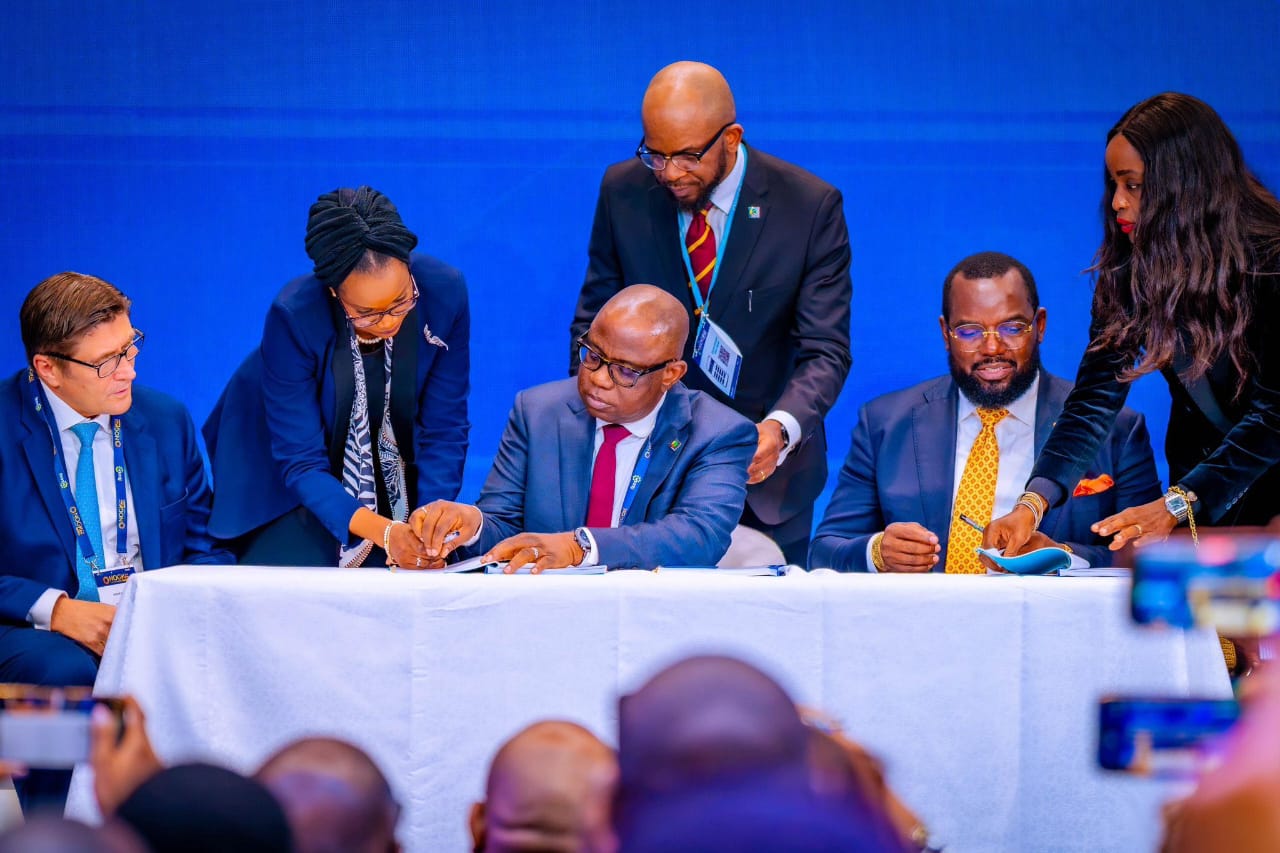
Warri’s position as one of Nigeria’s foremost energy hubs has received a significant boost following the signing of a 15-year gas supply agreement that moves the UTM Floating Liquefied Natural Gas (FLNG) Project closer to execution.
The agreement, signed by the Nigerian National Petroleum Company Limited (NNPC Ltd.), Seplat Energy Producing Nigeria Unlimited (SEPNU) and UTM FLNG, guarantees the supply of 200 million standard cubic feet of natural gas per day, clearing one of the final major requirements ahead of the project’s Final Investment Decision (FID), now expected in the fourth quarter of 2026.
The UTM FLNG project, valued at about $3 billion, is designed to produce 1.8 million tonnes of liquefied natural gas annually using gas from the Yoho field. The project’s proposed headquarters will be located in Warri, Delta State, further strengthening the city’s strategic role in Nigeria’s oil and gas industry.
Delta State also has a direct stake in the venture, holding an eight per cent equity interest alongside UTM Offshore and NNPC Ltd., positioning the state to benefit from the project’s long-term commercial prospects.
The gas supply agreement forms part of a broader package of six strategic agreements signed by NNPC Ltd. with industry partners during the 25th Nigeria Oil and Gas (NOG) Energy Week in Abuja.
The agreements are aimed at expanding gas utilisation, improving energy security and accelerating Nigeria’s gas-driven industrialisation agenda.
Besides the UTM FLNG Gas Sale Agreement, NNPC also executed a Memorandum of Understanding and a Gas Sale and Aggregation Agreement with Ajaokuta Steel Company Limited, as well as three Network Entry Agreements with Chevron Nigeria Limited, AGPC and NNPC Exploration and Production Limited (NEPL).
Industry stakeholders say the gas supply deal removes a major obstacle that had delayed the indigenous floating LNG project and provides a clearer path towards investment approval.
If completed as planned, the Warri-based FLNG facility is expected to boost Nigeria’s LNG production capacity, create employment opportunities, attract fresh investments into Delta State and strengthen the country’s position in the global liquefied natural gas market.














Post Comment