Ghost Workers Crackdown: EFCC Launches Investigation Across Delta Civil Service
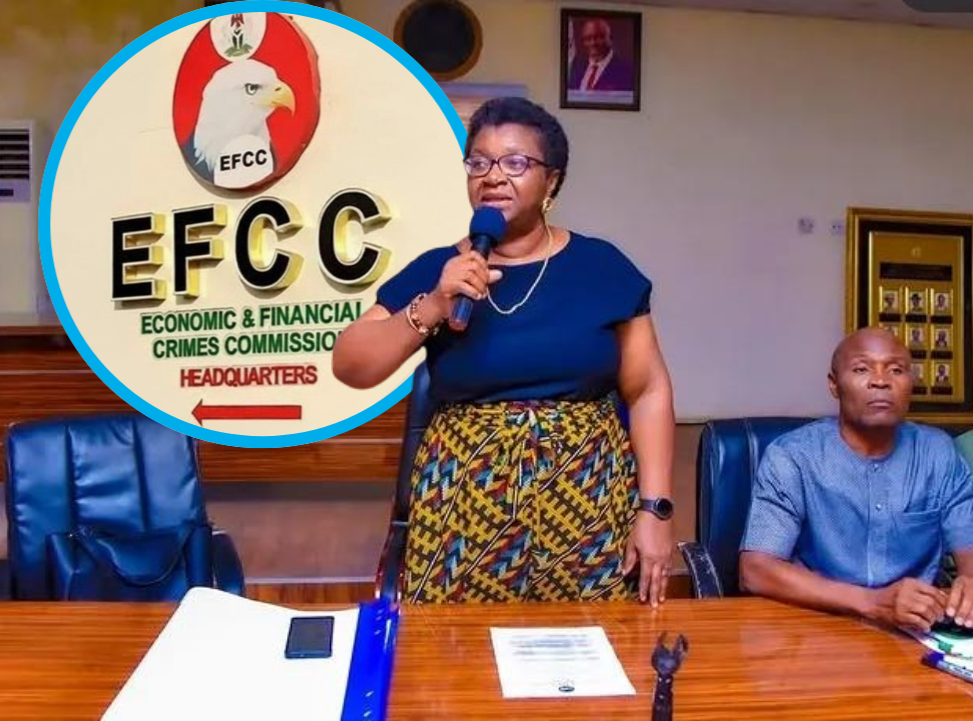
The Economic and Financial Crimes Commission (EFCC) has launched a verification exercise across the Delta State Civil Service as part of efforts to identify possible ghost workers and strengthen accountability in the state’s payroll system.
The exercise, which includes the screening of the Head of Service, Dr. Mininim Oseji, and officials from various Ministries, Departments and Agencies (MDAs), involves the examination of payroll records, nominal rolls and other employment documents.
Speaking during a press briefing in Asaba to mark the 2026 Civil Service Week with the theme, *”Reforms, Resilience and Results,”* Dr. Oseji said the EFCC informed the state government that the exercise forms part of a nationwide audit of public sector payroll systems aimed at uncovering possible irregularities in personnel management.
She explained that the anti-graft agency has the statutory mandate to investigate suspected financial and administrative misconduct involving government payrolls and is conducting similar verification exercises in other states.
Dr. Oseji revealed that EFCC officials initially offered to excuse her from the screening because she is the state’s highest-ranking civil servant. However, she declined the exemption, insisting that she should undergo the same verification process as every other public servant.
“As the number one civil servant in the state, I believed it was important to lead by example, so I insisted on being screened,” she said.
According to her, she presented documents including her first letter of appointment, records relating to the change from her maiden name, her official identity card and her appointment letter as Head of Service.
She added that the EFCC team was satisfied with the documentation provided and said she has not received any reports of issues arising from the ongoing exercise.
“I receive regular updates from the officer assigned to work with the EFCC team, and so far, there have been no complaints,” she stated.
Beyond the payroll verification, Dr. Oseji said the Civil Service Week celebration provided an opportunity to reaffirm the state’s commitment to reforms aimed at improving the efficiency and credibility of the public service.
She said the Delta State Government is pursuing initiatives designed to modernise service delivery through expanded digital infrastructure, stronger collaboration among government agencies, merit-based appointments, greater inclusiveness and a renewed emphasis on professionalism, accountability, integrity, innovation and excellence in public service.
The ongoing payroll audit is expected to help verify the authenticity of personnel records, promote transparency in salary administration and ensure that public funds are paid only to legitimate employees.










Post Comment