FG Signals Readiness to Review ₦70,000 Minimum Wage as Economic Pressures Mount
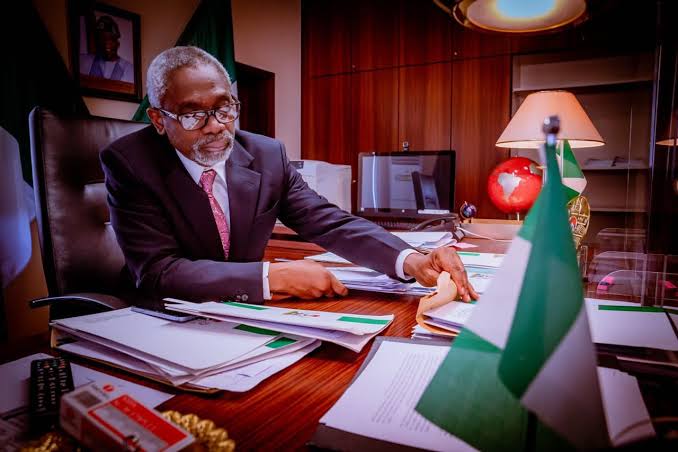
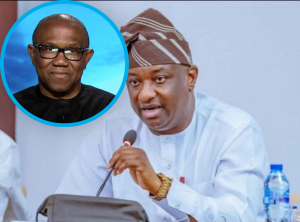
The Chief of Staff to the President, Femi Gbajabiamila, has indicated that the Federal Government is prepared to begin the process of reviewing the ₦70,000 national minimum wage, acknowledging that the current wage no longer reflects prevailing economic realities.
Gbajabiamila made the disclosure at the Good Governance Summit 2026 in Abuja. The event, organised by the Working People United (WoPU), was themed, “Policies and Governance: Impact on the Working People.”
He said the Tinubu administration deliberately reduced the statutory review period for the national minimum wage from five years to three years to ensure workers’ earnings keep pace with the rising cost of living.
“This administration has delivered a new national minimum wage. In July 2024 President Bola Tinubu signed into law a minimum wage of 70,000 naira, with more than double the 30,000 naira that workers had endured for years, and recognising that the cost of living does not stand still, the President reduced the strategic review cycle from five years to three years, so that wages may keep closer pace with economic reality.
“The ₦70,000 wage, which was a milestone in 2024 must be honestly reassessed against today’s realities, and I can confirm to you that when the time comes to begin the process of reviewing the national minimum wage, this administration will approach that endeavor not as an adversary of labour, but as a partner.
“President Tinubu has said time and again that the custodians of the nation’s machinery deserve a fair and commensurate wage, and as you all well know by now, this is the president who means precisely what he says and does exactly what he means.”
Gbajabiamila stressed that good governance requires active collaboration between government and citizens, particularly the nation’s workforce, describing workers as critical partners in national development.
“It must be said that good governance is not a performance stage by government for the benefit of a passive audience. It’s a partnership between those who govern and those who are governed. Nowhere is that partnership more vital than the relationship between government and the working people of Nigeria.
“It is with this understanding in mind that I ask the leaders of organised labour and the members of working people united to remain what you have so often been at your finest, partners in progress rather than antagonist in perpetuity.
“Let us choose to dialogue over disruption, because as we have proved again and again, we achieve far more when we sit together than when we retreat; retreat to our separate corners.”





Post Comment